Mamoswine Inspired Perler Bead Pattern
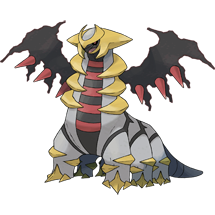
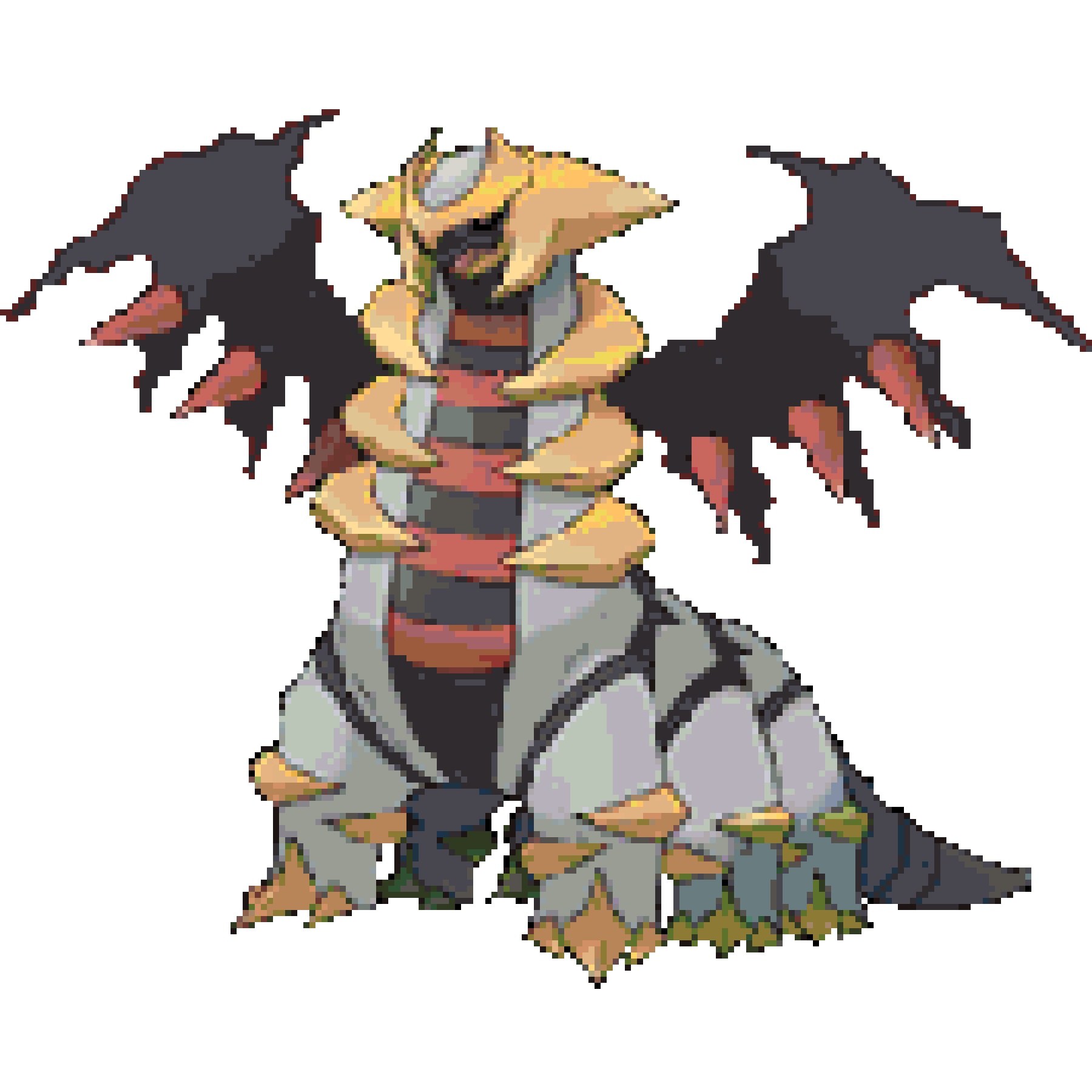
A fan-made bead chart inspired by Mamoswine, prepared as a craft reference with a clear pixel grid and practical color breakdown. Use it as a personal making guide for planning bead colors, grid size, and build sequence.

Prefer starting from the exact same source image? One click will carry it into the editor so you can generate your own version.
About this pattern
A fan-made bead chart inspired by Mamoswine, prepared as a craft reference with a clear pixel grid and practical color breakdown. Use it as a personal making guide for planning bead colors, grid size, and build sequence.
The pattern uses a 180x180 grid, 61 colors, and about 12307 beads in the MARD system. That keeps the page useful for both crafters and searchers looking for an advanced mamoswine inspired bead pattern.
Pattern specs
Grid size
180 x 180
Difficulty
Advanced
Color system
MARD
Published
Apr 23, 2026
Colors
61
Estimated beads
12307
Palette breakdown
#2F2B2F
2418 beads
#48464E
2098 beads
#9A9D94
948 beads
#B6B1BA
666 beads
#E1B383
483 beads
#B88558
477 beads
#BCC6B8
433 beads
#55514C
427 beads
#8D7A35
396 beads
#C9675E
287 beads
#757D78
269 beads
#697D80
238 beads
How to make it
- 1. Study the chart and split the work into small sections instead of trying to finish the whole board at once.
- 2. Prepare the colors listed above before you begin so you do not break your flow midway through the build.
- 3. Assemble the main silhouette first, then fill the accent colors and tiny details.
- 4. Compare progress with the preview image before ironing, especially around corners and contrast-heavy areas.
FAQ
What does this mamoswine inspired pattern show?
It turns the original mamoswine inspired image into a bead chart that keeps the main silhouette, color blocking, and recognizable details intact. That makes the page useful as both a visual preview and a real build reference instead of a thin image post.
Is this mamoswine inspired pattern beginner-friendly?
It is more of an advanced project. The chart is still manageable, but it is best suited to crafters who are comfortable sorting colors and working section by section rather than improvising as they go.
How many colors and beads does it use?
This pattern uses 61 colors and about 12307 beads in the MARD color system. Pre-sorting the palette before you start will save time once you get into the main build flow.
Is this more of a single-subject design or a collection-style page?
It reads more like a collection-style page than a single large subject. Multiple small motifs share the same layout, so it works best when you treat it as a series of mini sections instead of one uninterrupted build.
What is the best way to plan a build for this mamoswine inspired pattern?
With a 180x180 grid, 61 colors, and roughly 12307 beads, the safest approach is to work in small modules. Breaking the chart into rows, cells, or clusters makes error-checking much easier and helps the build feel less overwhelming.
Who is this pattern best for?
It is best for makers who want enough information to judge effort before they start. Because the page includes specs, counts, previews, and guidance, it works well as a practical build landing page.
Can I turn my own image into a similar pattern?
Yes. Upload your own image in the editor, tune the grid, and submit it for review if you want a public gallery page of your own. If the content is safe and the page has enough useful detail, it can become part of the public index as well.
Is this an official licensed pattern?
No. This page is an unofficial fan-made craft reference and is not affiliated with, endorsed by, or sponsored by Nintendo, Game Freak, Creatures Inc., or The Pokemon Company. Pokemon and related character names are trademarks of their respective owners.