Colorful tiny beads, creatively arranged and fused with heat, transform into stunning pixel art crafts. This comprehensive guide takes you deep into the world of perler beads—exploring their fascinating origins, the craft techniques behind them, their educational value, and their bright future. Whether you're a complete beginner or a seasoned enthusiast, discover why fuse beads have captured hearts worldwide.
Perler beads, formally known as fuse beads, weren't originally created for children's entertainment. In the early 1960s, Swedish inventor Gunnar Knutsson developed a method of arranging small plastic beads on a pegboard, filing for a patent in 1962. The original purpose was occupational therapy for elderly patients—the repetitive motion of placing beads helped exercise fine motor skills in their hands.
The business world quickly recognized the potential. Danish company Hama began manufacturing these pegboard beads in 1971 and developed the crucial ironing technique in the late 1970s, allowing beads to melt and fuse together through heat application. Hama officially registered their trademark in 1984. Meanwhile, in the United States, California couple Peter and Dee Dee Schneck founded the Perler brand in 1981, further propelling fuse beads into mainstream popularity.
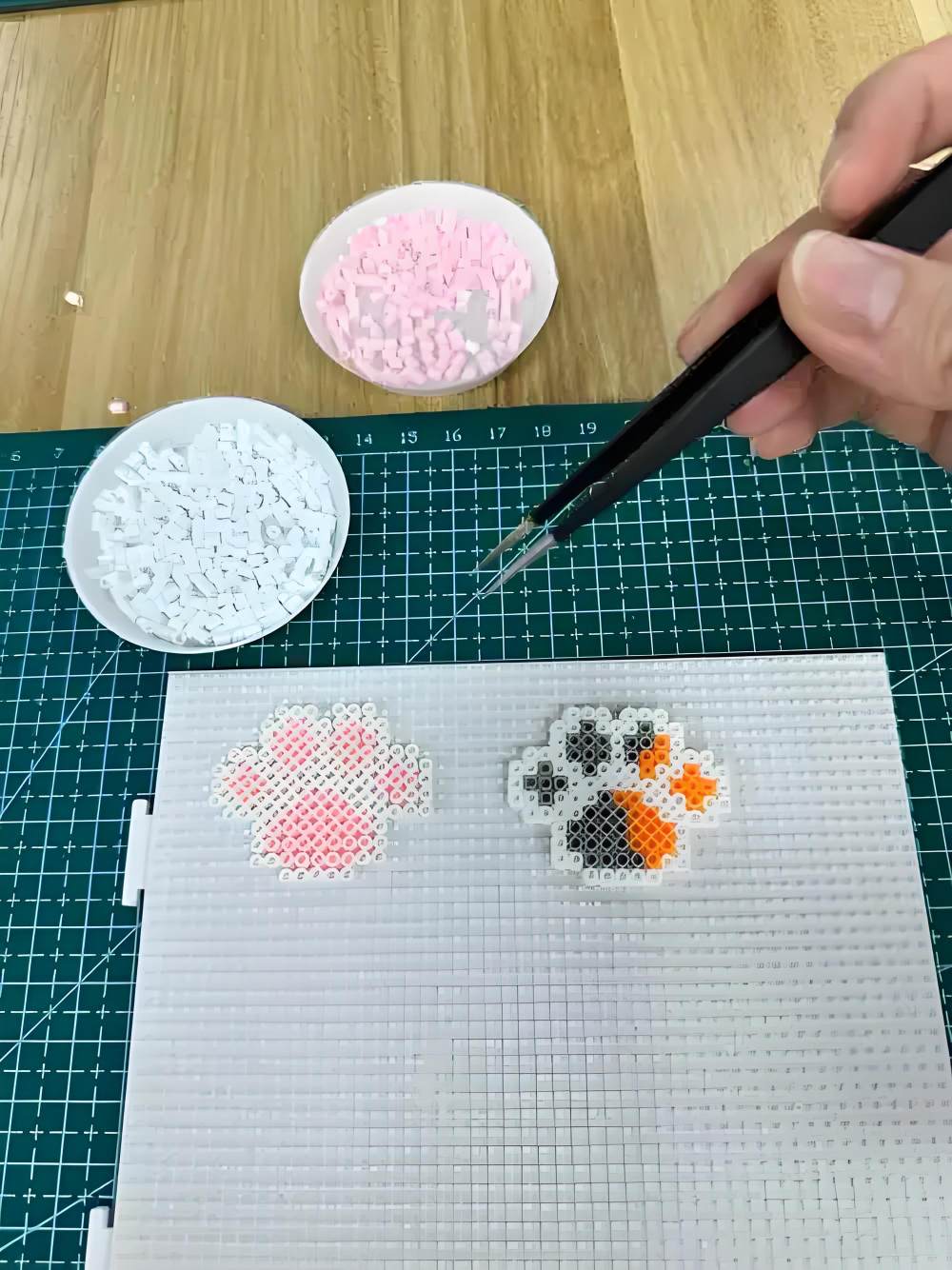
The beauty of perler beads lies in their accessibility—the barrier to entry is remarkably low, yet the creative ceiling is virtually unlimited. Essential materials include fuse beads (typically made from food-grade EVA plastic), pegboards with raised pegs, ironing paper, and an iron. The process is straightforward: design and place, iron with paper covering, then cool and set.
For children, perler beads offer a comprehensive hands-on learning experience. Through play, kids develop color recognition, learn basic geometric shapes, and strengthen both manual dexterity and hand-eye coordination. The tactile nature of bead crafts makes learning feel like pure fun.
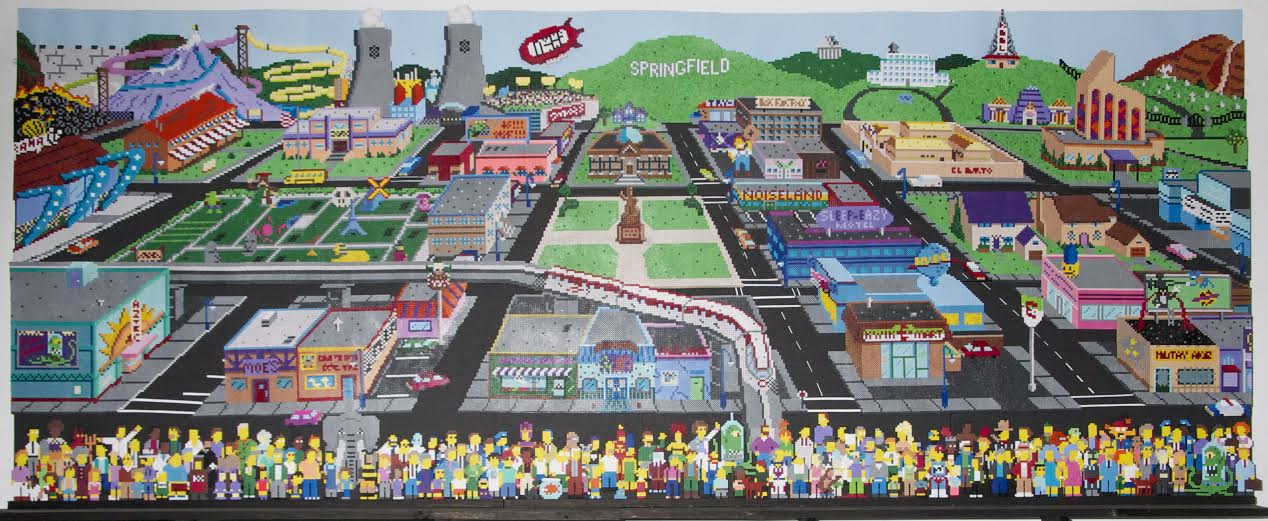
For adults, fuse beads represent something entirely different—a nostalgic art form brimming with creative possibilities. Artists and hobbyists use this medium to recreate beloved 8-bit and 16-bit video game characters from their childhood memories. This natural connection to pixel art has established perler beads as a powerful vehicle for retro aesthetic expression.
Research shows that perler beads significantly promote development across six core skill areas: fine motor skills, creativity, cognitive skills, social and communication skills, bilateral coordination, and visual-motor skills. For adults, fuse beads provide an accessible gateway to 'flow state'—that immersive mental zone where time seems to disappear.
Perler beads share an inseparable bond with pixel art and retro gaming culture. Social media has dramatically accelerated the spread of bead craft culture globally. Reddit's r/beadsprites community has gathered a passionate following of dedicated enthusiasts sharing patterns, techniques, and finished creations.
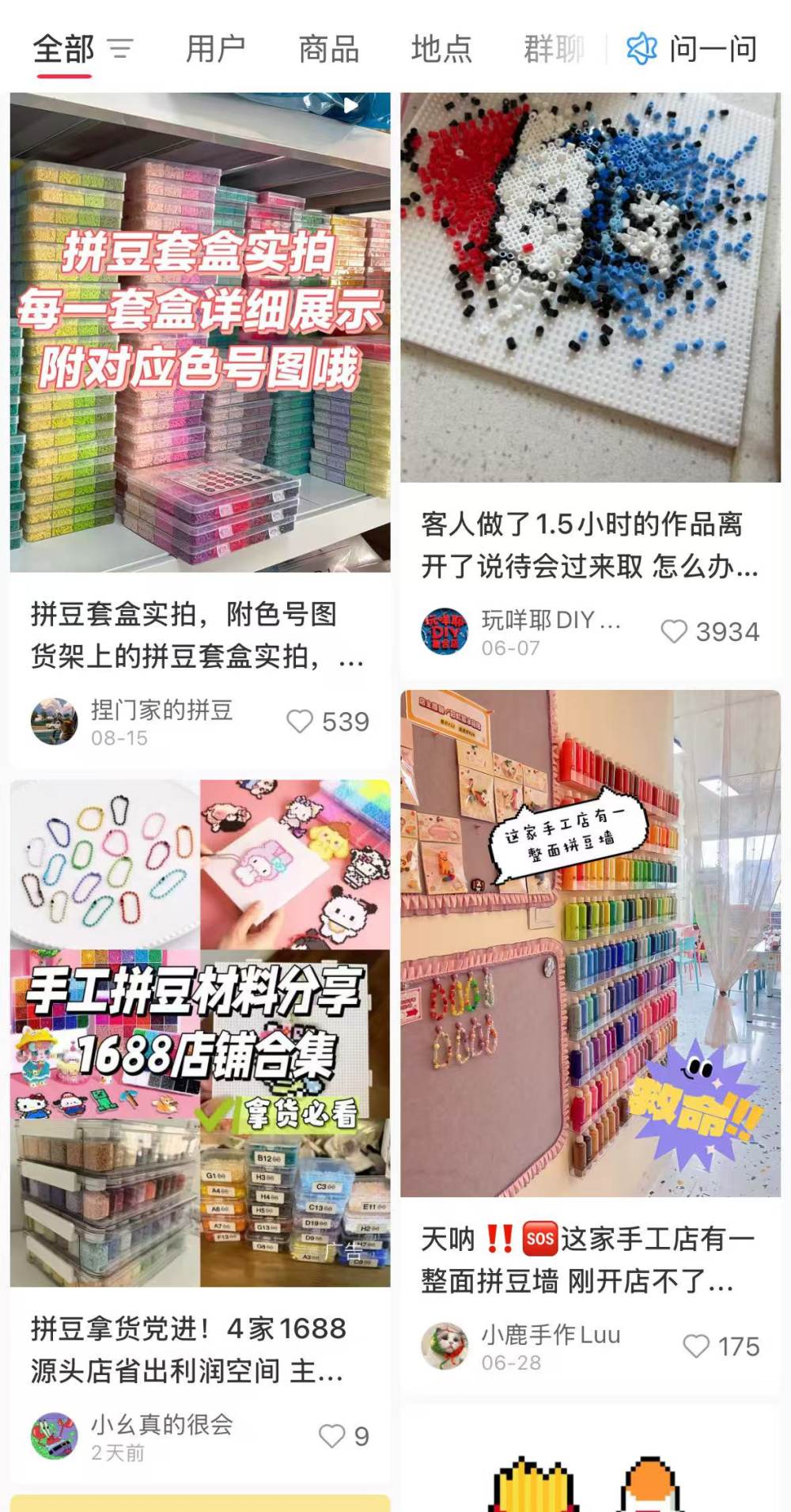
The commercial potential of perler beads has spawned a thriving industry. Offline experience stores report booming business. Online sales tell an even more impressive story, with search volume seeing year-over-year growth exceeding 2000% during peak periods.
From a Swedish rehabilitation clinic's therapeutic tool, to Hama's industrial production in Denmark, to Perler's commercial success in America, and finally to viral cultural phenomenon on social media—this tiny plastic bead has completed a remarkable global journey spanning over half a century. Today, perler beads have transcended their toy origins. They represent an art form, a therapeutic practice, a cultural symbol, and ultimately, a lifestyle choice.